Teenage Terrors - Why Your Dog is Regressing in their Training
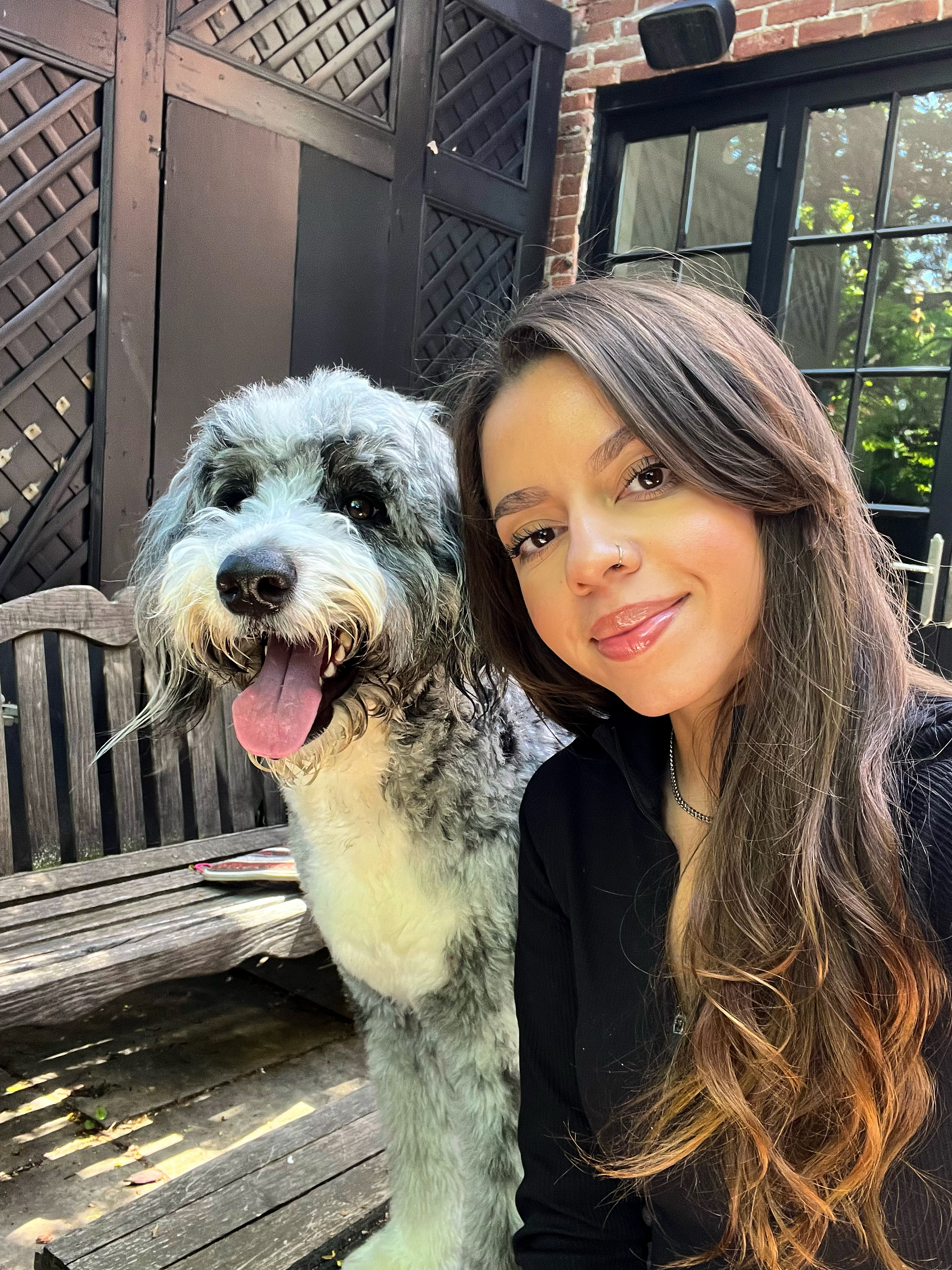
If your dog is around 7 months old, and suddenly acting like a preschooler on steroids - this post is for you. By the end of this post, you'll understand why that's happening & what the heck to do now. Cue Teenagers - by My Chemical Romance🎸🐶

What's Happening to My Dog?! Just like human teenagers, your dog is absolutely flooded with hormones and a new sense of independence - maybe even a little more confidence. Changes are happening not just in their body, but in their brain too: their attention span shifts, previously solid cues can suddenly feel forgotten, and they may test boundaries in ways that leave you scratching your head. Suddenly, the “well‑behaved pup” you knew seems more like a tiny rebel, acting out with selective listening, distractions, or new fears .. all completely normal for this adolescent phase. Why This Happens
During the adolescent phase .. usually around 6–7 months up to about 2 years - your dog’s body and brain are going through big developmental shifts. Hormones kick in, energy levels spike, and their independence-seeking behaviours ramp up. This can show up as “forgetting” previously learned cues, getting easily distracted on walks, acting out around other dogs or people, or even developing new fears. It’s not that your dog is being deliberately difficult, their brain is literally wired for exploration, testing boundaries, and learning how to navigate the world.
With the right guidance and consistent practice, you can channel all this teen energy into reliable behaviour, strong focus, and a better bond between you and your dog. 3 Tips to Handle the Teen Phase
Even though it might feel like your dog is “forgetting everything,” this stage isn’t about going backwards, it’s about reinforcing the foundation so your dog can navigate distractions, independence, and new behaviours confidently. Here’s how:
Get Back to Basics – Revisit previously learned cues like sit, stay, down, and recall. Practice in short, frequent sessions in low‑distraction environments, then gradually increase challenges.
Consistency is Key – Keep routines predictable for meals, walks, and training sessions. Adolescent dogs thrive on structure, and a consistent routine helps them feel secure and focused.
Use High‑Value Rewards – During this phase, distractions are everywhere and attention span can go out the window. High-value treats or special toys will help keep your dog engaged and motivated as you solidify old cues and introduce new challenges.
How a Trainer (Me!) Can Help
Sometimes, you just need a little guidance to navigate this tricky teen phase. Our Teen / Adolescent Dog Training program is designed to:
Reinforce your dog’s foundation skills
Improve focus and engagement in distracting environments
Address new behaviours or fear periods that pop up during adolescence (6 months - 2 years old)
Strengthen the bond between you and your dog while keeping training fun and effective
Whether you’re dealing with recall issues, surges of energy, or selective listening, this program gives you step‑by‑step guidance.. so you’re not stuck guessing or feeling frustrated.
Ready to Help Your Teen Dog Thrive & Get Back on Track?
If your adolescent dog is testing boundaries, ignoring cues, or acting unpredictably, don’t panic. We can help you and your dog get back on track with expert 1:1 guidance, tailored exercises, and ongoing support.


Comments